Common Bathroom Plumbing Problems — and Which Ones You Can Fix Yourself
A running toilet, a slow tub drain and a drip under the sink are the three calls every bathroom eventually makes. Here is what each one usually means, what is safe to fix yourself, and the signs the problem is hiding somewhere worse.
The fast answer: one fixture, or water where it should not be?
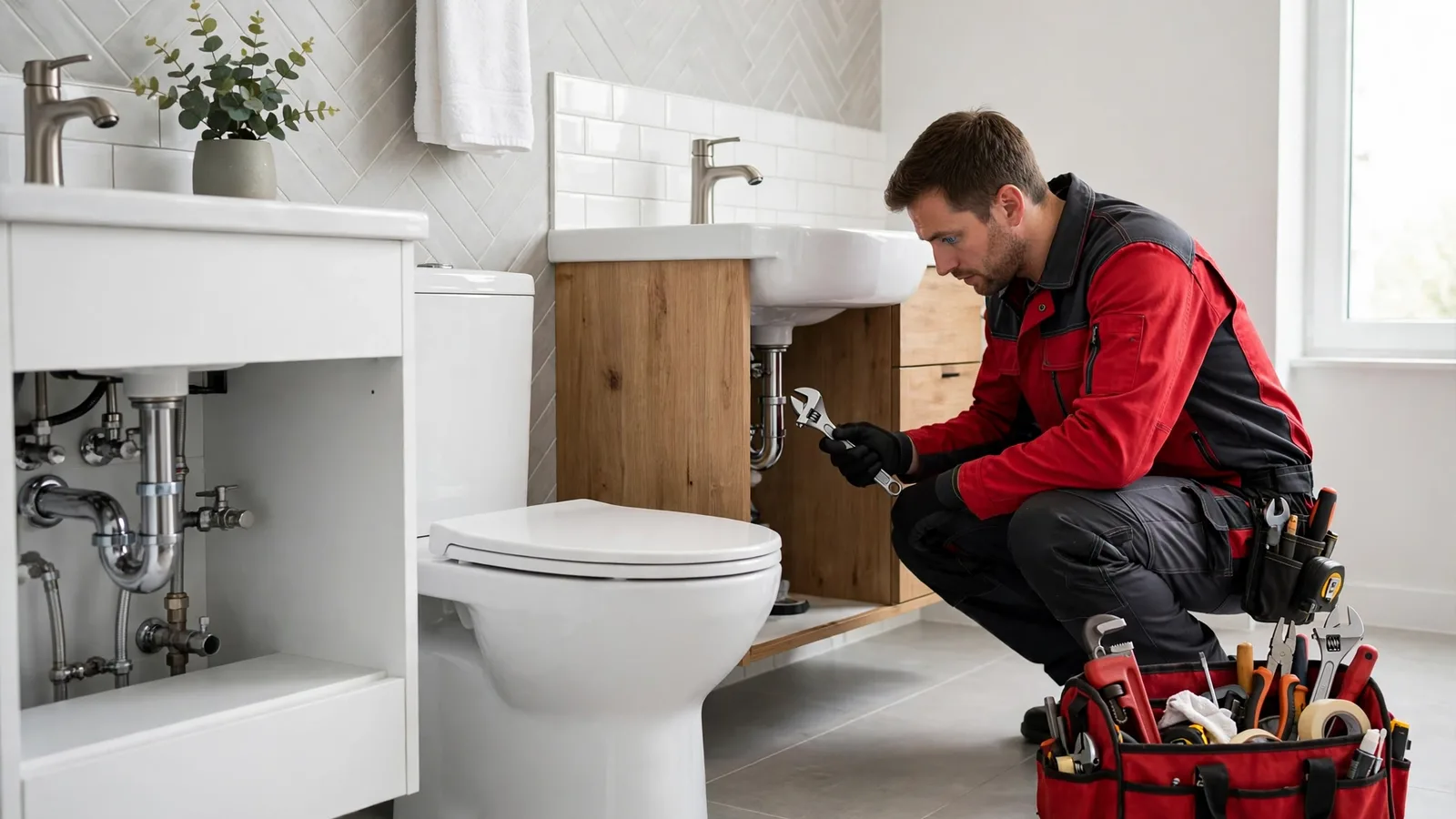
Almost every bathroom problem announces itself in one of three ways: a toilet that misbehaves, a drain that slows, or water appearing where no water belongs. The first two are usually fixture problems, many of them fixable at home with basic tools. The third is different. Water escaping under a sink, around a toilet base or inside a wall does quiet damage for weeks before it shows, and it is the one category where waiting is the expensive choice. Sort your problem into one of those three buckets first — that tells you whether you are holding a wrench this weekend, or whether the right move is professional toilet and bathroom plumbing help before a small fault becomes flooring and drywall.
The running toilet: silent, constant and costing you water
A toilet that runs on and off by itself, hisses minutes after flushing, or needs the handle jiggled to stop is almost always losing water past one of two inexpensive parts inside the tank. The flapper, the rubber seal at the bottom of the tank, hardens and warps with age and lets water trickle into the bowl around the clock. You can confirm it in fifteen minutes: put a few drops of food colouring in the tank, do not flush, and check the bowl later. Colour in the bowl means the flapper is passing water. Replacing a flapper or a fill valve is one of the most forgiving jobs in the house — the parts swap by hand with the water off at the valve behind the toilet. A toilet that rocks on its base, leaks at the floor, or clogs again and again is a different story: those point below the fixture, not inside the tank.
Slow tub and sink drains, and what gurgling is telling you
Bathroom drains slow for a local reason first: hair and soap scum build up just below the stopper, close enough to reach. Pull the stopper, clear what you can see, and run hot water — that settles most slow bathroom sinks and many tubs. A drain that clears and then slows again within weeks, a tub that drains slowly while the sink beside it is fine, or gurgling from the tub when the toilet flushes all say the restriction sits further down the branch line. At that point repeated plunging treats the symptom in front of you while the narrowing deeper in the line keeps collecting. That is the pattern professional drain cleaning is built for — clear the branch line once, properly, rather than meeting it later as a backup.
Leaks under the sink and around the toilet base
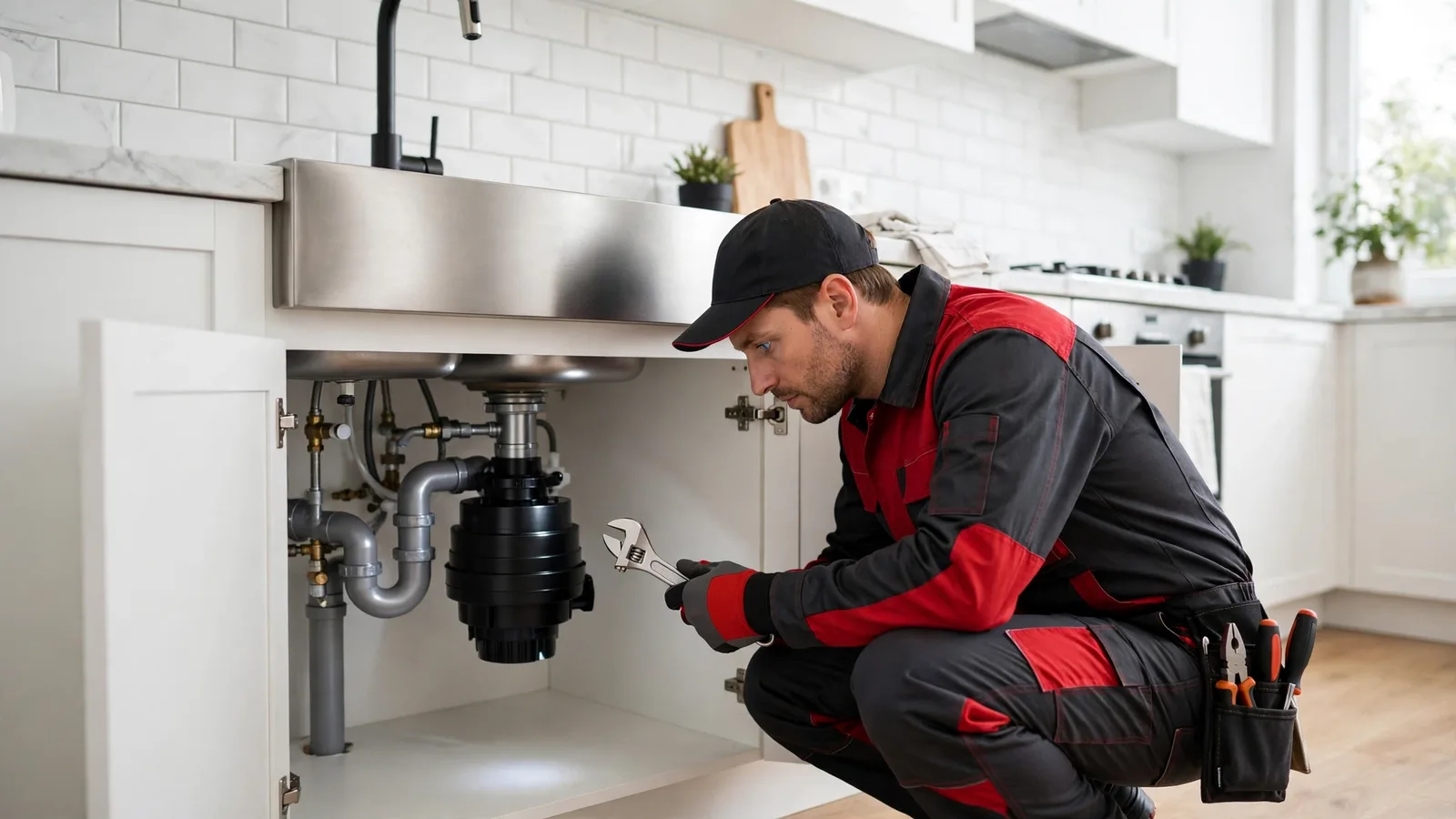
Open the cabinet under the sink and look while the tap runs. Bathroom leaks hide in predictable places: the trap joints below the basin, the supply lines and shut-off valves, and the faucet connections above. A drip that appears only when the drain runs is a trap or drain-side leak. A fitting damp all the time is on the pressurised supply side — it does not pause when you stop using the sink. Around the toilet, water pooling at the base, a spongy or discoloured floor beside it, or a sewer smell that cleaning never removes usually means the wax ring sealing the toilet to the floor has failed. That repair means lifting the toilet, and it matters, because every flush has been pushing a little water under the flooring. Catch it early and it is a ring and an hour. Leave it and it becomes a subfloor.
Weak shower pressure and the dripping faucet
When only the shower feels weak, suspect the showerhead first. Mineral scale from hard water narrows the spray holes one by one, and removing the head, soaking it and clearing the holes restores many showers completely. Check the aerator on the sink faucet the same way — it unscrews by hand and traps grit that throttles the flow. A faucet that drips after it is fully off is usually a worn cartridge or washer inside the handle, and it will only drip faster with time. Our faucet and fixture services team handles these daily, and most are quick. Pressure weak at every fixture at once is not a fixture problem — it points back toward valves, supply lines or the main.
What not to do in a bathroom
Do not overtighten a leaking fitting under the sink — plastic trap nuts crack, and a metal fitting forced past snug can split the pipe it is meant to seal. Do not ignore a toilet that needs plunging every week — a healthy toilet almost never clogs, so repetition means a partial blockage or something in the line. Do not caulk around the base of a toilet to hide a leak — it traps the water against the floor and hides the evidence while the damage continues. And skip chemical drain cleaners in tubs and sinks that drain into older pipes: they rarely clear a hair-and-soap blockage fully, and the caustic liquid sitting in the trap is a hazard for whoever opens it next. A leak you cannot see at all — a stain spreading on the ceiling below, a musty smell with no source — is leak detection work: find the escape precisely before any wall is opened.
When to call us
Homes in Beltsville and Columbia share the same bathroom story: the toilet that started running in spring, the tub that drained a little slower each month, the cabinet that smelled musty long before anyone looked inside it. Fix the flapper, clear the stopper, clean the showerhead — those are yours. But call Eagle Plumbing at (240) 266-8317 or send the lead form on this site when water is appearing where it should not be, when a toilet leaks at its base or clogs on repeat, when several fixtures misbehave together, or when a repair you made did not hold. We will find the actual cause, show you what we found, and price the repair before any work begins.
Need Help With This?
Our related service: Toilet & Bathroom Plumbing — Complete toilet and bathroom plumbing repairs that fix clogs, leaks, flushing issues, and water pressure problems.